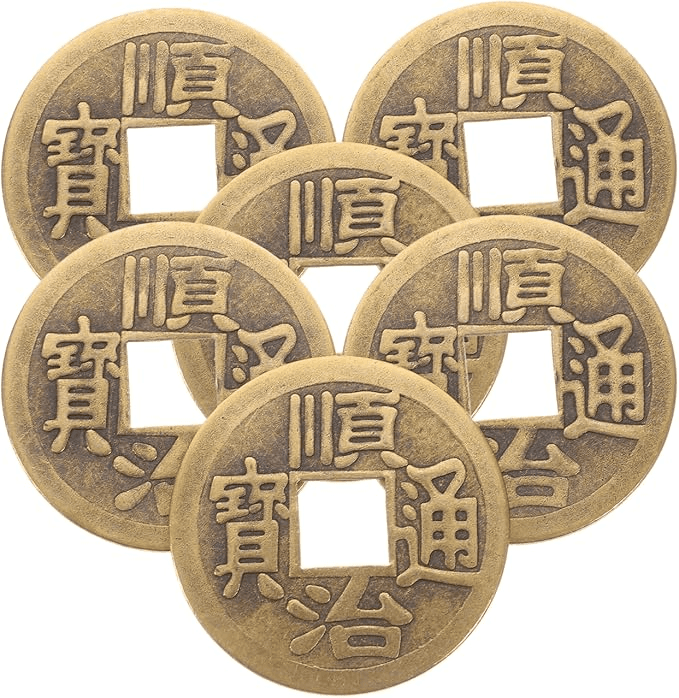
How to Use I Ching Coins: A Step-by-Step Guide for Beginners
The yarrow stalk method is beautiful, but let's be honest — it takes forever. Somewhere along the way, people figured out a shortcut. Toss three I Ching coins instead. Same result, fraction of the time.
This is called the three coin method, and it's been the go-to approach for casual I Ching readings for centuries.
This guide is about the casting process: how to ask, toss, record, and build the hexagram. If you are looking for what the coins themselves mean, which side is Yang, or why the totals are 6, 7, 8, and 9, read the companion article: I Ching coins meaning.
""Simplicity is the ultimate sophistication." — Someone wise, probably
Understanding I Ching Coins
Traditional I Ching coins are Chinese bronze coins with a distinctive square hole in the center. Each coin has two clearly different sides, which is essential for divination.
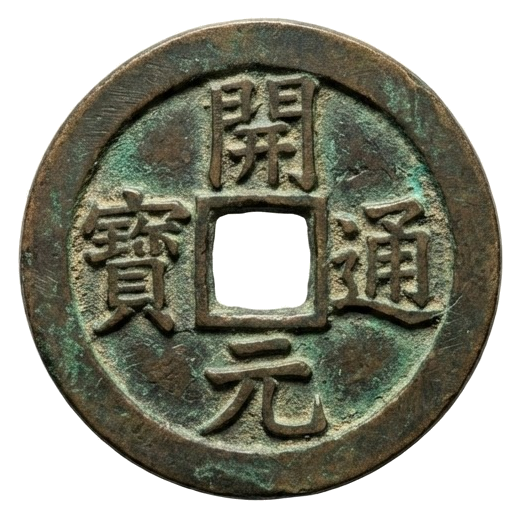
Yang Side (阳) = 3
The side with characters
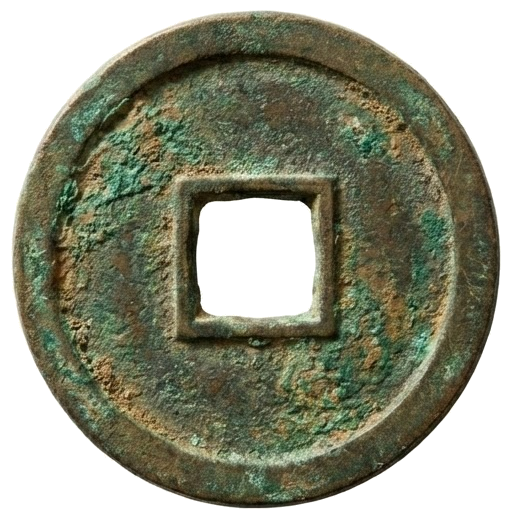
Yin Side (阴) = 2
The side without characters
The key concept is simple:
- The side with inscribed characters (usually showing the emperor's reign title) represents Yang, assigned a value of 3
- The blank side without characters represents Yin, assigned a value of 2
No I Ching Coins? No Problem!
Here's a secret: you don't actually need traditional I Ching coins to practice this divination method. Any three matching coins will work perfectly.
Using US Coins (or any coins you have):
- Heads (the side with the face) = Yang = 3
- Tails (the side with the building or number) = Yin = 2
Grab three quarters from your pocket, three euros from your wallet, or even three pennies from the couch cushions. The coins you use don't hold the magic — your intention and attention do.
Just pick your convention (heads = yang, tails = yin) and stick with it consistently throughout your reading.
How to Use I Ching Coins Step by Step
Using I Ching coins for divination is straightforward once you understand the process:
- Hold your three coins in cupped hands
- Focus on your question — let it settle in your mind
- Shake the coins gently while concentrating
- Let them fall onto a flat surface
- Add up the values of the three coins
Three coins means your total will always be 6, 7, 8, or 9. That's one line of your hexagram. Repeat this process six times, and you've built your complete answer.
What the Numbers Mean
When all three I Ching coins land yang-side up, that's 9 (3+3+3). This is old yang — a solid line that's about to change into a broken one.
When all three land yin-side up, that's 6 (2+2+2). This is old yin — a broken line ready to become solid.
Most of the time you'll get a mix:
- Two yangs + one yin = 8 — A stable broken line (⚋)
- Two yins + one yang = 7 — A stable solid line (⚊)
The stable lines just sit there. The changing lines (6 and 9) tell the story. (Learn more about how moving lines work).
For a more detailed explanation of the coin sides, Yin/Yang values, and the symbolic meaning of 6, 7, 8, and 9, see I Ching coins meaning.
Building Your Hexagram
Start from the bottom. Your first coin toss becomes the first line, at the very bottom of the hexagram. Work your way up.
After six tosses, you have your primary hexagram. If any lines are 6 or 9, they flip to create a second hexagram — showing where things are headed.
I Ching Coins vs. Yarrow Stalks
Here's an interesting detail about using I Ching coins versus yarrow stalks: the math is different.
With yarrow stalks, you're more likely to get stable lines. The universe leans toward stillness. With coins, changing lines show up more often because every toss is a fresh 50/50 split.
Some purists say this makes coins less "authentic." Others say it doesn't matter — the question you bring and the attention you pay are what truly count.
A Quick Example
You toss your I Ching coins six times and get: 7, 8, 7, 9, 8, 6.
From bottom to top, that's a solid line, broken line, solid line, solid changing line, broken line, broken changing line.
Draw it out. Look up the hexagram. Read both the primary and the transformed versions. See what speaks to you.
Why People Love the I Ching Coin Method
Using I Ching coins is fast. You can do it anywhere — at a coffee shop, on a train, sitting on your bed at 2 AM with a question that won't let you sleep.
It democratized the I Ching. You don't need fifty dried yarrow stalks or an hour of careful ritual. Just three coins, a quiet moment, and a willingness to listen.
Sometimes that's enough.