
The Cauldron of Civilization and Spiritual Alchemy
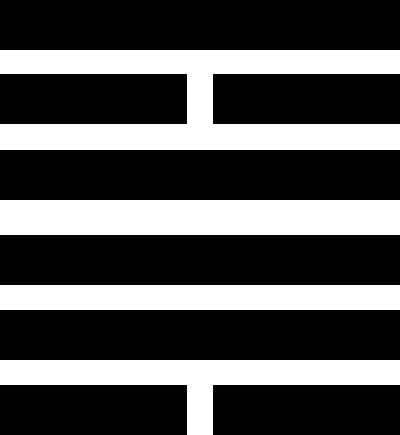
Hexagram 50 (Ting/The Caldron) follows the radical disruption of Revolution (Hexagram 49) with a phase of construction. While Revolution is about destroying the old, the Caldron is about "Ting Hsin"—establishing the new. It uses the metaphor of a sacred vessel to explore how a new society, or a refined self, is cooked into existence. The ultimate purpose of the Caldron is twofold: to nourish the worthy and to refine the spirit of the state.
The process begins with a necessary cleansing. The text describes "Overturning the Caldron" (Line 1) to dump out the accumulated sludge of the past. This implies that before any new order can be established, the corrupt remnants of the old regime—or the bad habits of the self—must be completely discarded, even if the method seems drastic.
Once the vessel is clean, the cooking begins. The middle lines depict the struggle of unrecognized talent. We see a vessel full of rich food (Line 2) and "pheasant fat" (Line 3), yet it goes uneaten because the "ears" of the caldron are changed or blocked. This teaches patience: even when one possesses great virtue or talent, there are times when the world is not yet ready to feast. One must wait for the rain to fall and the blockage to clear.
However, the I Ching warns sternly against incompetence. The image of the "Broken Leg" (Line 4) depicts a heavy responsibility entrusted to a weak character. The caldron tips over, the Duke's meal is spilled, and the result is humiliation.
The hexagram culminates in a vision of ideal leadership. The ruler (Line 5) is described as having "Yellow Ears and Golden Carrying Rings," symbolizing a mind that is open, receptive to wisdom, and moderate in nature. He is supported by the sage (Top Line) represented by "Jade Rings." When authority (Gold) meets wisdom (Jade), the new order is solidified, and the "Great Fate" is secured.


