
The Art of Reunification and the Dissolution of Ego
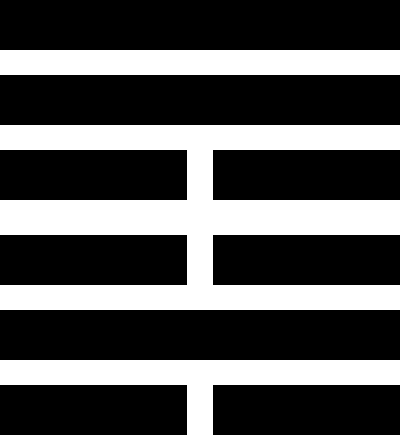
Hexagram 59 (Huan/Dispersion) addresses the crisis of fragmentation. It depicts a time when the "centrifugal forces" of society are stronger than the bonds holding it together—hearts are drifting apart, and organizations are dissolving. The I Ching argues that mechanical force cannot fix this; when the physical structure fails, one must resort to spiritual glue.
The text emphasizes that the only way to re-gather a scattered people is through Shared Values and Spiritual Rituals ("Sacrificing at the temple"). A leader must establish a common belief system that transcends individual differences.
The hexagram outlines a strategy of intervention that begins with speed and ends with sacrifice. In the early stages of dispersion, one must act with the vigor of a "strong horse" to rescue the situation before it spreads. If the danger is already present, the priority shifts to self-preservation—finding a support network to survive the flood.
However, the core philosophy of Huan lies in the Dissolution of the Self. The text suggests that fragmentation is often caused by rigid egos and selfish factions. To cure this, the leader must "Dissolve his Self" (Line 3)—letting go of personal ambition to serve the greater good.
This culminates in the ultimate act of leadership: "Scattering Wealth to Gather People." The ruler (Line 5) is advised to open the granaries and distribute resources freely. By "dispersing" his own accumulation, he dissolves the blockage of resentment and re-ignites the loyalty of the people.
Summary: Huan teaches the Paradox of Unity: To bring people together, you must first dissolve the barriers of ego, greed, and tribalism. Like ice melting into water, the rigid structures must be dispersed so that life can flow together once more.


