
The Art of Strategic Withdrawal
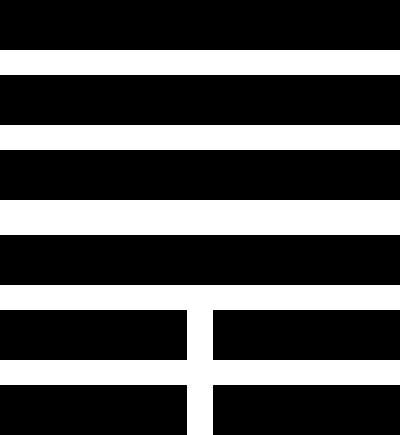
Hexagram 33 (Tun/Retreat) teaches a lesson that is often hard for the ambitious to accept: sometimes, the bravest move is to leave. It describes a time when the forces of darkness (the Inferior Men) are on the rise. Direct confrontation is futile and dangerous.
But "Retreat" in the I Ching is not cowardice; it is a proactive strategy. The core philosophy is to keep a "Dignified Distance"—described in the text as "Not angry, but strict" (不惡而嚴). This means disconnecting from toxic forces without stooping to their level or engaging in petty conflict.
The hexagram illustrates the spectrum of withdrawal through its lines. It warns of the danger of missing the window of opportunity (the "Tail of Retreat") or being trapped by emotional attachments and material desires (the "Tied Retreat"). True wisdom requires the decisiveness of the "Good Retreat"—the ability to cut ties with what one loves for the sake of survival.
However, retreat is not always about leaving physically; sometimes, duty requires us to stay ("Holding Fast"), but we must retreat inwardly to protect our integrity. The ultimate ideal is the "Fat Retreat" (肥遁)—a state of transcendent freedom where one moves with grace and ease, unburdened by the chaos below.
Summary: Tun reveals that retreating is actually a way of "Advancing by moving backward" (以退為進). By judging the hour correctly and withdrawing in time, we expand our options and preserve our strength for a better day.


