
The Art of Stillness and the Power of Limits
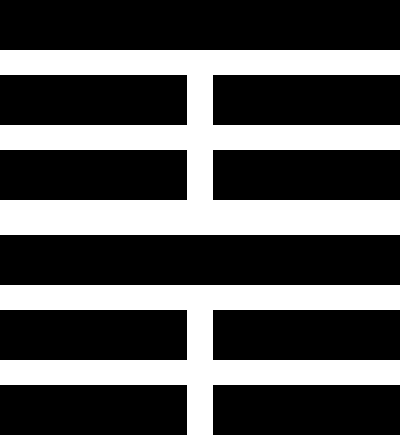
Hexagram 52 (Kên/Keeping Still) presents the image of a Mountain—immovable and majestic. It teaches the profound philosophy of "Chih" (Stopping). However, this is not about passivity; it is about Timing. The I Ching states: "When it is time to move, move; when it is time to stop, stop." True wisdom lies in knowing the limit.
The hexagram uses the visual of a person standing with their back turned. This is a powerful metaphor for "Sensory Fasting." By turning our back on the world, we cut off the visual cues that trigger desire. By refusing to look at temptation, we preserve our inner peace and allow the mind to rest in "Supreme Goodness."
The text traces the "Anatomy of Stillness" through the body to illustrate how we should practice self-control. It begins at the Toes (Line 1), teaching us to stop a wrong action before it even begins—prevention is better than cure. It moves up to the Calves (Line 2), symbolizing the internal struggle where one must hold their ground even when they cannot influence the situation.
A crucial warning is found at the Hips (Line 3). The text advises against "forced suppression." Stopping must be natural and rhythmic; blindly repressing desires creates tension that eventually snaps the spine. True stillness flows; it does not freeze.
As the practice deepens, it reaches the Jaws (Line 5). Speech is the expression of the mind, and the disciplined person knows that words should be orderly and rare. The ultimate state is "Noble Stillness" (Top Line)—a thick, substantial maturity where one is at peace with oneself and the world.
Summary: Kên reminds us that in a world of constant motion and noise, the greatest power is the ability to stop. By defining our boundaries and knowing where we stand, we find the clarity to move forward effectively.


