
The Art of Resilience and the Power of Silence
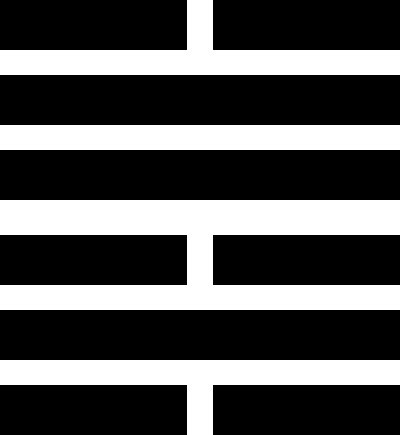
Hexagram 47 (K'un/Oppression) depicts a lake that has been drained of water. It is the archetype of the "Dark Night of the Soul"—a time of exhaustion, isolation, and restricted movement. Yet, the I Ching offers a powerful promise: "The Superior Man is oppressed but not broken; his spirit remains free."
The first rule of navigating this abyss is the Discipline of Silence. The text warns that in times of adversity, "Words are not believed." Complaining or explaining only invites further humiliation. Instead, one must hold fast to inner integrity and wait for the tide to turn.
The hexagram illustrates the various cages we build for ourselves through a series of vivid metaphors. We see the despair of being "Trapped by a wooden stump" in a dark valley, where the only option is patient endurance. We encounter the paradoxical "Trap of Wine and Food" (Line 2)—a warning that comfort and hedonism can be just as imprisoning as a jail cell if they erode one's will.
As the pressure mounts, the text describes the psychological terror of being "Trapped by stones and thorns" (Line 3), urging us to face the worst-case scenario with courage. It speaks of the frustration of the "Metal Chariot" (Line 4), where progress is painfully slow, and advises leaders (Line 5) that cutting off noses (harsh punishment) solves nothing—only sincerity can liberate the team.
Summary: The journey ends with the vines (Line 6). Though they seem to bind us tight, they are actually fragile. The lesson of K'un is that oppression is often a mental state. By adjusting our mindset from fear to determination, we realize the trap was never locked, and we are free to step out.


